Colon Cancer Surgery: Before and After Care, from Early Symptoms and Surgery Prep to Recovery Diet and Chemotherapy
Finding colon cancer early and getting appropriate treatment is important. If you are facing colon cancer surgery, it helps to know in advance about pre-surgery tests and diet, the recovery process after surgery, preventing complications, chemotherapy and recurrence checks. Here is a detailed look at the causes and symptoms of colon cancer, surgical methods, recovery time and post-surgery care.
1. Why Does Colon Cancer Develop and What Are the Risk Factors?
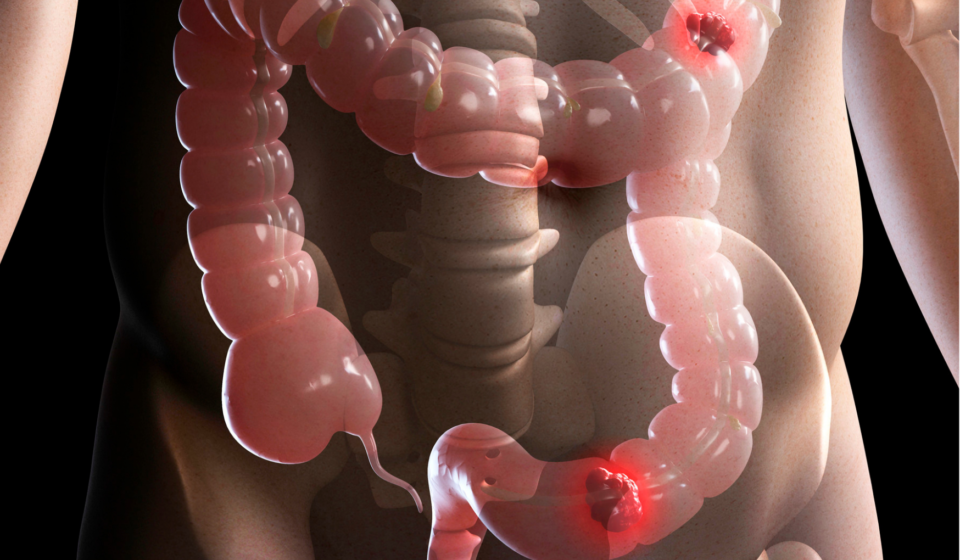
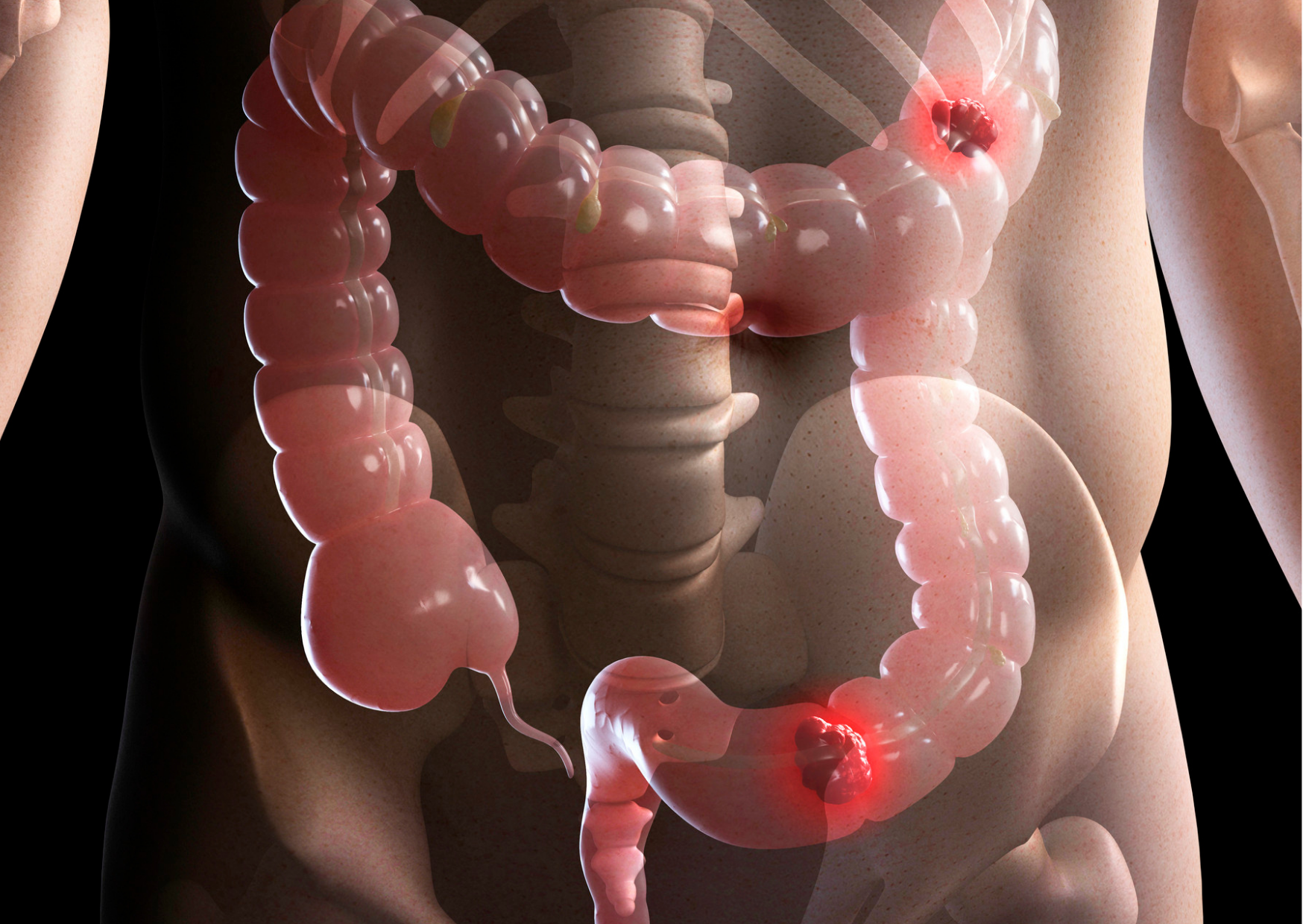
The large intestine is divided mainly into the colon and the rectum. The colon starts in the lower right abdomen, crosses the abdomen and continues to the left, then passes through the sigmoid colon and connects to the rectum near the anus. A malignant tumor in this area is called colon cancer.
The cause of colon cancer is hard to explain with a single factor, but several risk factors are known. Typical ones include increasing age, a diet high in meat and processed meat, obesity, alcohol, smoking and lack of exercise. The risk can also be higher if a family member has had colon cancer, if you have a genetic predisposition, or if you have inflammatory bowel disease.
On the other hand, regular physical activity, a balanced diet and eating foods rich in fiber, such as vegetables and fruit, can help prevent colon cancer.
2. What Are the Early Symptoms of Colon Cancer?
Colon cancer may not cause any particular symptoms at first. As the cancer progresses, the following symptoms may appear.
-
Changes in your usual bowel habits
-
Repeated diarrhea or constipation
-
A feeling that stool remains even after a bowel movement
-
Bloody or black stool
-
Stool mixed with mucus
-
Stool that becomes thinner than usual
-
Abdominal pain and bloating
-
Unexplained fatigue, loss of appetite and weight loss
These symptoms can also occur with conditions other than colon cancer, but you should see a doctor if they keep recurring or persist. In particular, do not delay testing if you notice bloody stool or unexplained weight loss.
Some colon cancers start as small growths called adenomatous polyps and can develop into cancer. Finding and removing these polyps during a colonoscopy can prevent some colon cancers from developing.
Even without symptoms, it is important to have regular colon cancer screening that fits your age and risk factors. When to start and how often may vary depending on national screening guidelines, previous test results and family history, so it is best to discuss this with your medical team.
3. What Tests and Preparation Are Needed Before Colon Cancer Surgery?
Surgery is considered when a lesion found on colonoscopy is difficult to remove endoscopically or is judged to have reached a stage that requires surgery.
Before surgery, imaging tests such as CT and MRI may be performed to check the location and size of the cancer, whether it has invaded surrounding tissue, and the possibility of spread to other organs. For rectal cancer, a pelvic MRI is important for assessing the tumor's location and how far it has invaded surrounding tissue. If necessary, additional tests such as PET-CT may be considered.
The basic rule is to follow your medical team's instructions on diet before surgery. If you have no bowel obstruction and no special restrictions, you can keep eating as usual, but you should follow the dietary adjustments and bowel preparation guidance you were given during surgical preparation.
However, if you cannot pass stool or gas, or you have persistent abdominal pain, severe bloating or vomiting, a bowel obstruction needs to be ruled out. If these symptoms appear, get evaluated at an emergency room right away.
4. How Is Colon Cancer Surgery Performed and How Is the Extent of Resection Decided?
Colon cancer surgery does not remove only the part with the cancer. Depending on the location and stage of the cancer, the surrounding colon and the related lymph nodes are removed together. The appropriate extent of resection is decided by considering the cancer's location, blood vessel distribution and the possibility of lymph node metastasis.
The main types of colon cancer surgery are as follows.
-
Right hemicolectomy: performed when the cancer is in the right colon.
-
Left hemicolectomy: performed when the cancer is in the left colon.
-
Sigmoidectomy: performed when the cancer is in the sigmoid colon.
-
Low anterior resection: a surgery that removes the rectum and reconnects the bowel, depending on the location and condition of the rectal cancer.
The actual extent of resection depends on the cancer's location and size, the blood vessel and lymph node distribution, and whether surrounding tissue is involved. The same length of colon is not removed for every patient.
Recently, minimally invasive surgery using laparoscopic or robotic techniques has been widely used. Depending on the patient's condition and the difficulty of the surgery, these methods may help reduce pain after surgery and support recovery. However, since complete removal of the cancer comes first, open surgery may be performed when necessary.

5. How Do You Manage the Recovery Period and Diet After Colon Cancer Surgery?
After colon cancer surgery, eating is restarted in stages while bowel function and overall recovery are checked. If your condition is stable, you can start with water or a liquid diet relatively soon after surgery and move on to soft foods. However, when you can start eating depends on the surgical method, bowel function and whether there are any complications.
After surgery, it is important to get up and walk as early as you can. Light walking helps reduce the risk of complications such as pneumonia and blood clots and supports the recovery of bowel function.
The length of the hospital stay depends on the surgical method and how quickly you recover. If your pain is controlled, you can eat, your bowel function has recovered and there are no particular complications, you can prepare for discharge.
After discharge, gradually increase your activity without overdoing it and get enough nutrition. Adjust your meals to your own digestion, and tell your medical team promptly if you have abdominal pain, vomiting, severe bloating or fever.
6. What Complications Should You Watch for After Colon Cancer Surgery?
Various complications can occur after colon cancer surgery. Typical problems include the following.
-
Respiratory complications such as atelectasis and pneumonia
-
Clot-related complications such as deep vein thrombosis
-
Surgical wound infection and bleeding
-
Anastomotic leak at the site where the bowel was reconnected
-
Postoperative ileus, when the bowel temporarily stops moving
-
Bowel obstruction or stricture at the bowel connection site
The likelihood of these complications depends on the patient's health and the extent of surgery. To prevent complications and catch them early, follow your medical team's instructions on breathing exercises and walking, and report any unusual symptoms quickly.
In particular, if movement is too restricted after surgery, the risk of lung complications and blood clots can increase. Move often within a comfortable range, and if you have severe pain or dizziness, get help from your medical team when you move around.
7. How Do You Manage a Stoma After Rectal Cancer Surgery?
Rectal cancer may be treated differently from colon cancer. The rectum lies deep in the pelvis close to the anus, so the tumor's location and how far it has invaded surrounding tissue greatly affect the surgical method.
Depending on the patient's condition, chemoradiotherapy may be given before or after surgery. This treatment can help shrink the tumor, lower the risk of recurrence or preserve anal function.
Some patients may need a stoma after surgery. A stoma is a way of bringing part of the bowel through the abdominal wall so that stool can leave the body. Stomas are either temporary, kept for a period and then reversed, or permanent. How long it is kept and whether it can be reversed depend on the cancer's location, the surgical outcome and the course of treatment.
Bowel control can change after rectal cancer surgery. In the early period you may have more frequent bowel movements or a sudden urge to go, and some patients experience fecal incontinence or a feeling of incomplete emptying.
Symptoms may ease over time, but if discomfort persists, talk to your medical team. Options suited to your condition may include dietary changes, medication and pelvic floor rehabilitation.
8. Is Chemotherapy Always Necessary After Colon Cancer Surgery?
After colon cancer surgery, the pathology results of the removed tissue are reviewed to assess the cancer stage and whether it has spread to the lymph nodes. Based on this, doctors decide whether additional chemotherapy is needed.
In general, stage 1 colon cancer can often be treated with surgery alone. For stage 2, chemotherapy is considered depending on risk factors, and for stage 3, where lymph node metastasis is confirmed, adjuvant chemotherapy is often given to lower the risk of recurrence.
Stage 4 colon cancer means the cancer has spread to other organs, but depending on the extent and location of the spread, it can still be treated actively with a combination of surgery and chemotherapy. Some patients can have even the metastatic lesions completely removed and may hope for long-term survival or a cure.
The need for chemotherapy, its timing and its length are decided by considering the cancer stage, the patient's recovery and overall health. So rather than predicting your outcome from other patients' cases, it is important to discuss your own pathology results and treatment plan thoroughly with your medical team.

9. When and How Are Recurrence Checks Done After Colon Cancer Surgery?
Colon cancer requires regular follow-up surveillance even after surgery. To check for recurrence, medical visits, blood tests, tumor marker tests, imaging tests and colonoscopy are performed according to the patient's stage and risk level.
Follow-up is generally most intensive during the first 5 years after surgery, but the test intervals and duration may vary depending on the patient's condition and treatment guidelines.
To help prevent recurrence and look after your overall health, the following lifestyle habits are important.
-
Exercise regularly within a comfortable range
-
Eat a balanced diet that includes a variety of foods such as vegetables, fruit and whole grains
-
Cut back on processed meat and excessive red meat
-
Quit smoking and limit alcohol
-
Visit the hospital regularly and keep to your test schedule
Colon cancer is a disease where early detection, appropriate treatment and care after surgery all matter. Before surgery, a treatment plan is made based on the necessary tests, and after surgery, the need for further treatment is decided according to your recovery and pathology results.
Above all, because the cancer's location, stage and recovery speed differ for every patient, it is important to keep in close communication with your medical team and steadily follow the treatment and follow-up plan that suits you.
Discover more from Hospital & Health Insight Korea
Subscribe to get the latest posts sent to your email.



 Korean
 English
 Japanese
 Chinese (China)
 Chinese (Taiwan)
 French
 Spanish
 Hindi
 Indonesian
 Russian
 Mongolian
 Vietnamese
 Thai
 German
 Turkish
 Portuguese
 Italian
 Polish
 Arabic